
Transfer Fixture - Semiconductor Precision Part Manufacturer
In semiconductor manufacturing, precision electronics, automated production lines, and packaging processes, a Custom Conversion Fixture (also known as a Material Transfer Fixture or Conversion Jig) plays a critical role in transferring, positioning, and converting products between different carriers, trays, magazines, cassettes, or process stations. It helps ensure accurate alignment, minimize handling errors, and maintain product integrity throughout the manufacturing flow. Each part is machined to the customer drawing in tungsten carbide, tool steel, stainless steel, precision ceramics or copper alloy, with micron-level dimensional control and metrology verification before shipment.

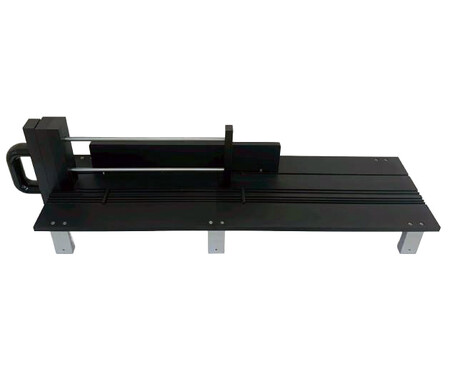
Transfer Fixture
Advanced Packaging Fixture for Carrier Transfer Applications
In semiconductor manufacturing, precision electronics, automated production lines, and packaging processes, a Custom Conversion Fixture (also known as a Material Transfer Fixture or Conversion Jig) plays a critical role in transferring, positioning, and converting products between different carriers, trays, magazines, cassettes, or process stations. It helps ensure accurate alignment, minimize handling errors, and maintain product integrity throughout the manufacturing flow.
Zhanyang specializes in the design and manufacturing of custom conversion fixtures, combining semiconductor process expertise, precision machining capabilities, and automation integration experience to provide one-stop solutions from concept design and prototyping to production implementation. Our solutions help customers improve transfer efficiency, reduce handling risks, and enhance overall production stability.
Product Positioning of Custom Conversion Fixtures
Custom conversion fixtures are primarily used for transferring and interfacing products between different carriers, product formats, and equipment platforms. Their core functions include:
● Precision Alignment
● Stable Transfer and Conversion
● Carrier Conversion
● Automation Integration
● Process Interface & Poka-Yoke Control
Depending on product dimensions, equipment interfaces, and process requirements, conversion fixtures can be designed with sliding, flipping, positioning, or multi-station structures to meet high-precision and high-efficiency manufacturing demands.
Key Challenges & Customer Pain Points
In semiconductor multi-process and cross-equipment manufacturing environments, customers often face challenges such as inconsistent equipment interfaces, inaccurate positioning during product transfer, and unstable manual operations. Insufficient positioning accuracy during conversion can lead to product misalignment, jamming, or dropping, which may negatively impact downstream process quality and production efficiency.
In addition, without flexible integration solutions between different equipment platforms, customers often face costly machine modifications and extended downtime for adjustments, increasing implementation risks. The primary concern is how to achieve high-precision, high-efficiency, and highly stable process integration without requiring significant modifications to existing equipment.
The Role of Conversion Fixtures in Semiconductor Manufacturing
Conversion fixtures are commonly used for:
● Conversion between different carriers such as Trays, Frames, and Cassettes
● Product transfer between process equipment
● Transition between manual loading / unloading and automated systems
● Special process implementation and customized production flows
Their primary role is to serve as a critical bridge between equipment and manufacturing processes, ensuring stable positioning, smooth handling, and precise interfacing throughout the transfer process.
Impact of Product Quality on Manufacturing Performance
Poor-quality conversion fixtures may result in product misalignment, transfer jams, dropped parts, and operational inefficiencies, ultimately affecting downstream process accuracy and overall production line performance.
Common issues include:
● Positioning deviations affecting process accuracy
● Product damage caused by transfer abnormalities
● Inefficient operations reducing production throughput
● Increased risk of human error and equipment malfunction
High-quality conversion fixtures help ensure:
● Accurate and stable positioning during transfer
● Smooth and efficient operational workflows
● High compatibility and integration with equipment
● Long-term stable performance with minimal defects
These benefits significantly improve overall process stability and production yield.
Customer Benefits
Implementing high-precision custom conversion fixtures can provide customers with numerous advantages:
● Improved equipment and process integration efficiency
● Reduced manual handling and operational errors
● Lower machine modification and implementation costs
● Enhanced production flow and manufacturing efficiency
● Reduced product damage and defect rates
Helping customers establish a more stable and efficient semiconductor manufacturing process.
Zhanyang's Technical Advantages and Service Features
Zhanyang possesses extensive experience in semiconductor precision fixtures and equipment integration, enabling highly customized designs tailored to specific equipment structures and process requirements.
We provide:
● Custom conversion mechanism design (sliding, guiding, positioning)
● High-precision machining and robust structural design
● Support for multiple carrier and product format conversions
● Ergonomic manual-assist operation designs
● Aluminum alloy, stainless steel, and engineering plastic material options
● Surface treatments (anodizing, wear-resistant coatings, anti-contamination finishes)
● Automation equipment and mechanical system integration capabilities
● Rapid development, prototyping, and on-site implementation support
Delivering conversion fixture solutions that combine high precision, stability, and integration capability.
Applications
Custom conversion fixtures are widely used in:
● Front-end and back-end semiconductor manufacturing processes
● Semiconductor packaging and testing (OSAT)
● Precision electronics and module manufacturing
● Automated equipment integration applications
Meeting the demands of advanced manufacturing environments requiring high precision, efficiency, and stability.
Why Choose Zhanyang
Conversion fixtures are not merely handling tools—they are essential bridges connecting equipment and manufacturing processes. Their precision, stability, and integration capability directly impact overall production efficiency and manufacturing quality.
Through:
● High-precision machining capabilities
● Customized mechanical design expertise
● Extensive semiconductor equipment integration experience
● Rapid development and production support
Zhanyang continuously helps customers improve equipment integration efficiency, reduce process risks, and increase production yields, making us a trusted partner for semiconductor precision fixtures and equipment integration solutions.
Popular Products
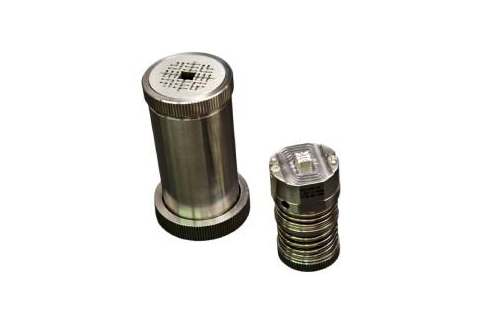
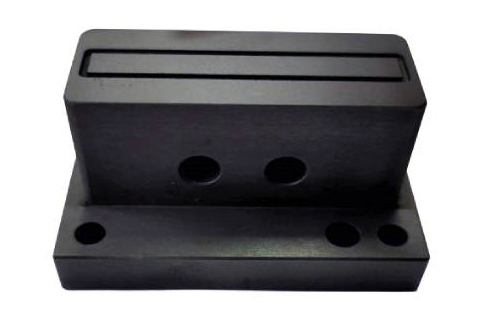

Transfer Fixture| Custom Precision Manufacturing for Semiconductor Equipment
Transfer Fixture is designed for semiconductor packaging and wafer-handling equipment where component geometry, machine interface and contact surfaces must match the requirements of the installed process. Zhanyang can manufacture custom fixtures from customer drawings and equipment specifications when supported by the project requirements.
Material selection and machining methods depend on factors such as operating conditions, dimensional tolerances, contact requirements and equipment compatibility. Depending on the design, available processes may include precision CNC machining, grinding, polishing, micro-hole machining and dimensional inspection, with materials selected according to the verified application requirements.

One-Stop Custom Solutions
We provide one-stop services from design and material selection to CNC precision machining, assembly, and validation.

Micron-Level Machining
Our advanced machining capabilities achieve micron-level precision, ensuring exceptional accuracy, consistency, and reliability.

Higher Yield, Lower Cost
High-quality components improve yield, boost equipment stability, reduce costs, and strengthen competitiveness.